
 Recognition results Demo
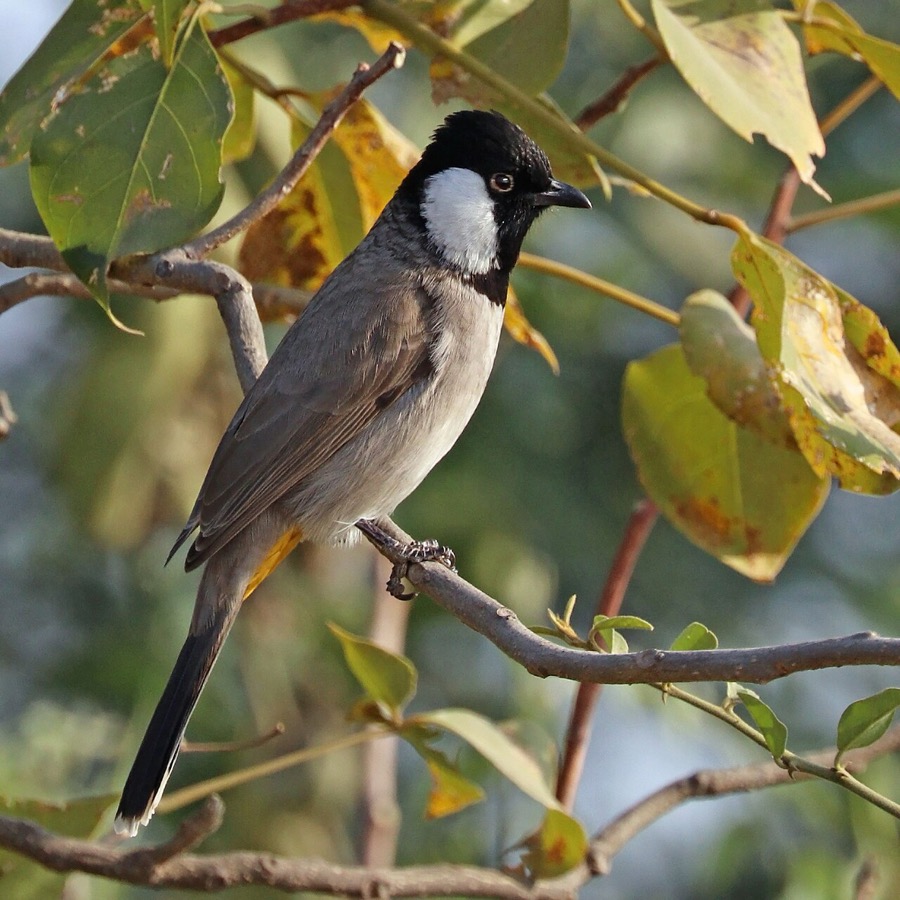
white-eared bulbul
White ear spots, black head, and tree habitat.
Judgment cluesWhite ear spots, black head, and tree habitat.
Result presentationPossible answers, rationales, and similar results.
When you see a bird in a park, wetland, seaside or on a trip, take a photo and save it as your birding record.
Recognition results DemoWhite ear spots, black head, and tree habitat.
Take photos of the side, head and roosting environment to get possible names and similar birds first.
Save birds, plumage colors and activity environments in different locations as your own travel observations.
Focus on photographing long legs, beak shape, body shape and waterside environment to distinguish wading birds from seabirds.
For long-distance photos, you can first look at the wing shape, tail feathers and overall outline, and then make a careful judgment based on the results.
String together each discovery with time, place and notes to create a long-term record.
Distinguish wading birds such as pond herons and herons based on their all-white feathers, long necks, long legs, and shallow water foraging environment.
Look at the black and white feathers, long tail and foraging posture on the ground, and judge based on the urban or forest edge environment.
Look for small body size, brown markings, short beaks and group movements, and note the differences between different sparrows.
Look at the bright blue-green feathers, short tail, long beak and perching posture near the water.
Judging from wing shape, gray and white feather color, coastal environment and flight posture, the color of young birds may vary greatly.
Look at the urban environment, gray-blue plumage color, wing spots and body size, and compare it with similar birds such as turtle doves.
These parts can help identify bird species and are more valuable than just taking pictures of distant black shadows.
Excessive magnification will distort feather color, wing spots, and beak shape.
Water's edge, tree canopy, grassland, coast or urban eaves can all affect interpretation of results.
Bird watching records should be recorded without disturbing the birds.
Birdwatchers should avoid disturbing birds, nests and breeding grounds. Do not feed, drive or approach wild birds for the purpose of taking photos.
If the photo is clear and the outline, wing shape, or plumage color is obvious, it can provide clues; motion blur can affect judgment.
Yes. You can organize your discovery records by bird, location, and time.
When you see something you don’t recognize, take a photo of it. CapKnow will give possible answers, basis and related knowledge, and save them to your knowledge record.