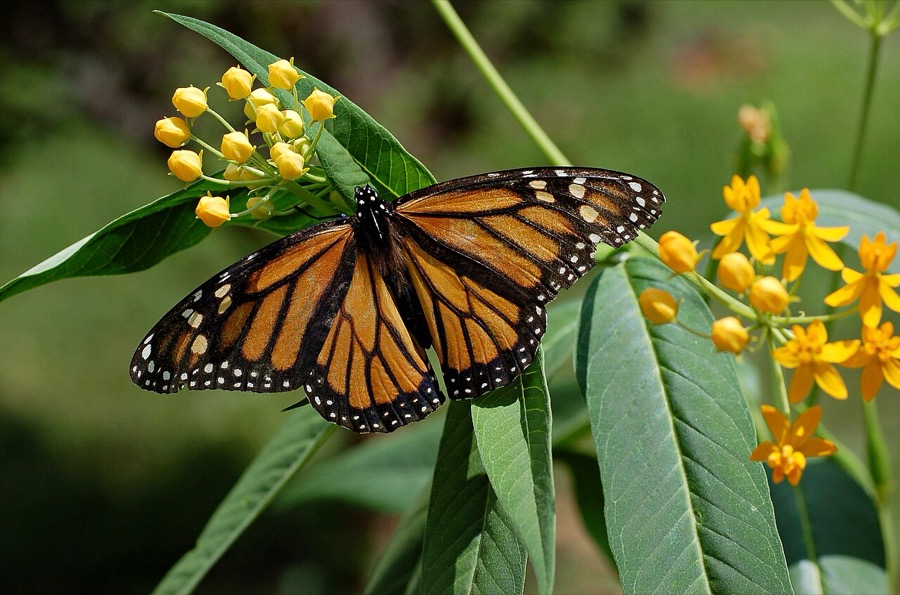
Recognition results Demomonarch butterfly
Orange-black wing surface, white spots and flower-visiting behavior.
Strange little creatures are often encountered in our homes, gardens and outdoors. CapKnow helps you turn "What kind of insect is this?" into saveable knowledge cards.
Recognition results DemoOrange-black wing surface, white spots and flower-visiting behavior.
Keep a distance first and take photos of the outline, feet, antennae and active positions, and then see if further processing is needed.
Record wings, spots, body segments and flower visiting environment, suitable for natural observation and parent-child learning.
Combine body color, foot count, activity environment and safety reminders to avoid bare-hand contact.
Organize insect names, observable characteristics, and similar objects into clear answers.
Keep photos of different seasons, locations, and behaviors as your own record of observations.
Look at the dome-shaped body, elytra color and number of spots to distinguish leaf beetles and other similar small beetles.
Look at the triangular head, the sickle-shaped structure of the forefoot and the ambush stance.
Look at the two pairs of transparent wings, the elongated abdomen and the waterside environment, and compare it with similar insects such as damselflies.
Distinguish moths from similar species by looking at wing patterns, antennae morphology and perching posture.
Look for body hair, yellow and black stripes, and flower-visiting behavior, keep your distance, and be aware of allergy risks.
Look at the eight legs, web-making method, abdominal patterns and activity positions; safety judgment still requires professional advice.

Use zoom or crop to get the detail, don't move it with your bare hands for the sake of the photo.
Dorsal markings, antennae, legs and body segments are generally more reliable than a single color.
The environment in the kitchen, wood, plant leaves, waterside or under lights may affect judgment.
Details such as wing veins, spots, and antennae can easily be lost with blurry magnification.
Do not touch unknown insects, spiders or caterpillars with bare hands. When it comes to allergies, stings, pet ingestion, or pest control, please consult a doctor or professional pest control personnel.
It can only provide a general safety reminder and cannot be used as a basis for medical treatment or pest treatment.
If the subject is clear, well-lit, and has complete outlines, you may still get good clues; severe blur or too small will reduce the quality.
When you see something you don’t recognize, take a photo of it. CapKnow will give possible answers, basis and related knowledge, and save them to your knowledge record.