Animal Identification · CapKnow

AI takes photos to identify animals

When you see an unfamiliar animal, pet breed, or animal in the wild, take a photo to get possible names, basic classification, and observation tips.

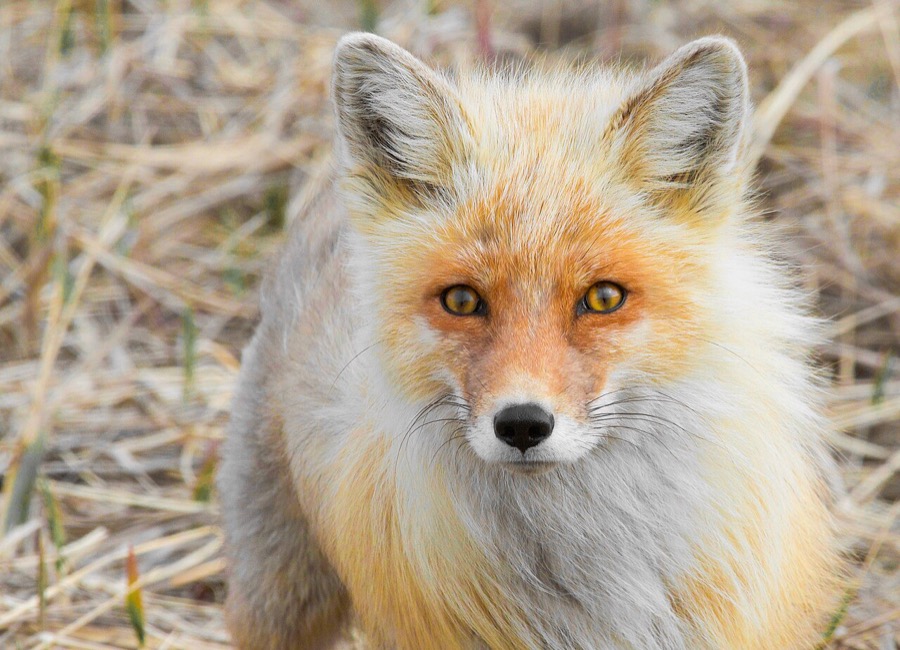
Red fox identification exampleRecognition results Demo

red fox

Pointed ears, orange-red coat color, slender muzzle and grassy environment.

Judgment cluesPointed ears, orange-red coat color, slender muzzle and grassy environment.
Result presentationPossible answers, rationales, and similar results.
animalsObserve cluessafe distance
Usage scenarios

These scenes are great for filming

Seeing an unknown animal while traveling

Take photos of the appearance, posture and surrounding environment from a safe distance to get clues about the name that can be further verified.

Want to know the possible breed or appearance characteristics of your pet?

Uncertainty remains when identifying hybrids or juvenile individuals based on ear shape, muzzle, coat color, and body proportions.

Encountering small wild animals in the park

Record tails, tracks, behavior and habitat, while reminding you to keep your distance.

See marine life at the beach or aquarium

Take clear photos of the fins, shell, body color and activity environment for easy review and comparison with similar species.

Explain the names and living habits of animals to children

Organize an encounter into names, characteristics, habits and safety reminders.

result card

What's in the result

  • Possible names and animal categories
  • Ear shape, muzzle, tail and body proportions
  • Appearance clues such as coat color, markings, horns, fins or shells
  • Behavior and habitat
  • Comparison of pet breeds or similar wild animals
  • Do you need a reminder to keep your distance?
  • Save to Animal Observation Handbook
Identification samples

Common identification examples

Red fox Red fox

Look for the pointed ears, slender snout, orange-red coat color and fluffy tail, combined with the grassy or forest edge environment.

Raccoon

Look at the black eye patch on the face, ringed tail and front paws, and be careful not to approach or feed it.

Squirrel

Look for the fluffy tail, rodent size, and arboreal posture to identify juveniles or similar small animals.

Hedgehog Hedgehog

Judging from the spiny hair on its back, short round body and nocturnal environment, it is suitable for recording but not recommended for touching.

Sea turtle Sea turtle

Look at the carapace shape, flipper-like forelimbs and coastal environment. When protecting animals, keep a safe distance first.

Gecko Gecko

Distinguish lizards from other reptiles by looking at the flat body, toe pads, tail, and wall activity environment.

Photography suggestions

How to shoot to make it easier to identify

Photograph from a safe distance and do not approach or disturb wildlife

Animal identification first serves observation and learning and should not lead to contact, capture or feeding.

Try to include the head, body proportions, tail and obvious patterns

These features have more judgment value than a single blurred part.

Document behavior and circumstances

Running, perching, swimming, foraging, and backgrounds such as grassland, woods, and waterside can assist judgment.

Avoid disturbing animals with flash lights

The safety of animals and people should also be prioritized in nighttime or indoor scenes.

Things to note

Things to note

Wild animals may be aggressive, carry pathogens, or be protected by law. CapKnow provides learning cues only and should not guide capture, feeding, or contact.

Related content

Related Identifiers

FAQ

FAQ

Can you identify pet breeds?

Clues to possible breeds or similar breeds can be given based on appearance, but mixed breed pets and young animals can be unstable.

What are the limitations of wildlife identification?

Long distance, occlusion, night photos and larval morphology will affect judgment. When encountering dangerous animals, you should give priority to keeping a distance.

The next time you encounter the unknown, don’t miss it.

When you see something you don’t recognize, take a photo of it. CapKnow will give possible answers, basis and related knowledge, and save them to your knowledge record.

Download for iOS