
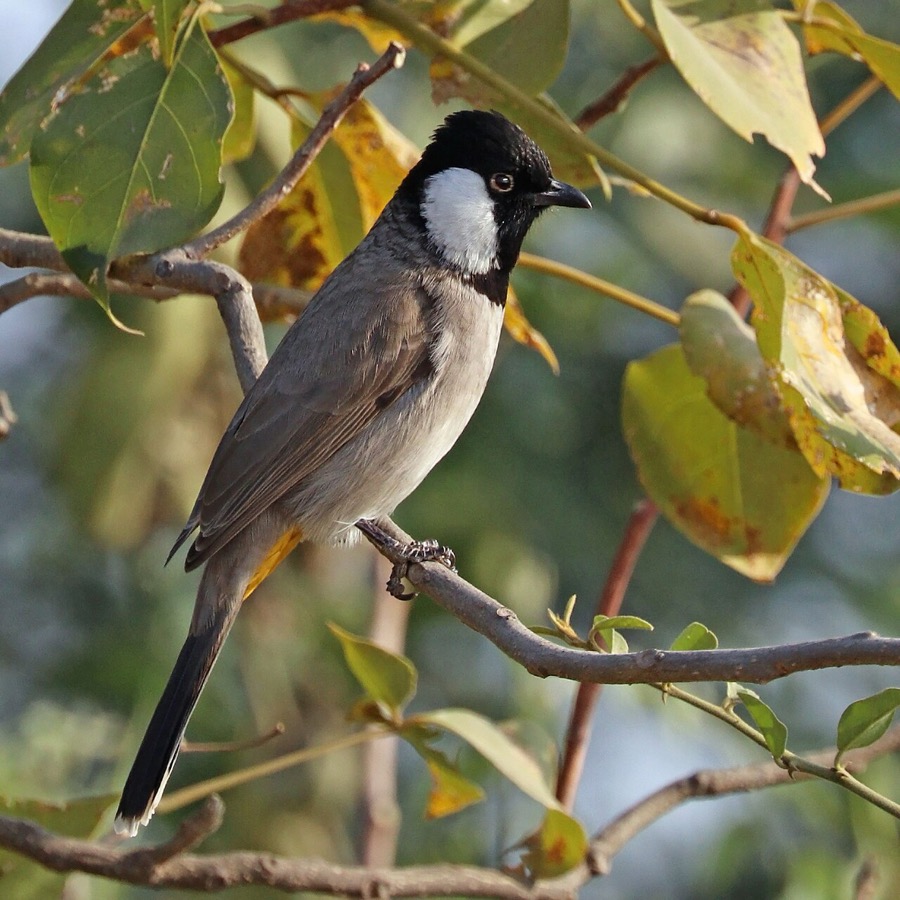
Photograph observable features first
If you see a bird in a park, wetland, seaside or while traveling, first take clear photos from a safe distance. CapKnow collates possible names, plumage color clues and observational circumstances.
Plumage color and body shape
Overall color, patching, tail feather length and body proportions are the main clues.
Beak shape and legs
The length of the beak, the length of the legs, and the way they stand can distinguish many birds.
environment and behavior
Water's edge, tree branches, grass, flying or foraging behavior are all worth recording.
Shooting method
Do not approach nests, breeding colonies or protected areas.
First take a picture of the complete body and standing posture, and then take a supplementary shot of the partial part.
Birds move fast, so try to take continuous shots or take more clear pictures.
Wetlands, urban tree branches, the coast or farmland can cloud judgment.
What should you focus on when looking at the results?
When looking at the results, read the possible names first, then compare the feather color, beak shape, legs, environment and similar birds. After saving the results, you can form your own birding timeline.
- Possible name
- Feather color clues
- beak cue
- Habitat
- similar birds
- Bird watching records
Things to note
Birding identification should not guide the approach, capture, feeding or disturbance of wild birds. If you encounter injured birds, nests or protected species, please contact your local professional agency.