
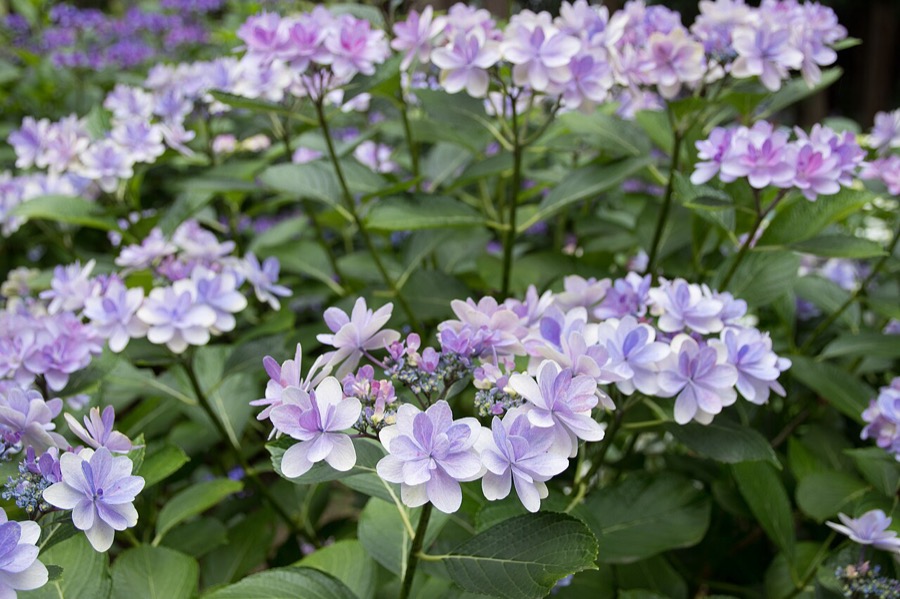
When is it appropriate to use CapKnow to identify plants?
When you see unfamiliar flowers, leaves, trees or indoor green plants, take a clear picture of the subject first. CapKnow will give you possible names, observable characteristics, and similar plants to help you proceed.
Take the overall picture first
Let the whole plant, inflorescences, leaves and growing environment enter the picture.
Make up part of it
The front and back of leaves, flowers, fruits, stems and bark can help distinguish similar plants.
preserve environment
Indoor potted plants, wetlands, roadside or mountain environments can all affect judgment.
Shooting method
Shoot in natural light and avoid backlighting, severe blur, and strong filters.
Take a picture of the complete plant first, and then take additional pictures of the leaves, flowers and fruits.
A single broken leaf or withered part is likely to lack clues for judgment.
If you are unsure whether it is poisonous, edible, or suitable for pets to eat, do not get close to it and try it.
What should you focus on when looking at the results?
Look at possible names first, then look at leaf shape, flower type, color, leaf veins, branches and stems, and similar plants. Results are suitable as learning cues and not used to judge edibility or medicinal value.
- Possible name
- blade clues
- Flower and fruit clues
- similar plants
- Maintenance direction
- Safety reminder
Things to note
Plant identification should not be used to determine edibility, medicinal value, toxicity, or risk to pets. Professionals should be consulted when it comes to food, child or pet safety.