
Decide first whether you need to keep distance
When an unknown bug appears in your home or outdoors, do not touch it first. Taking photos can help you get name clues, contact alerts and information about similar insects.
keep distance
Do not touch unknown insects, spiders or caterpillars with bare hands.
Take a clear outline
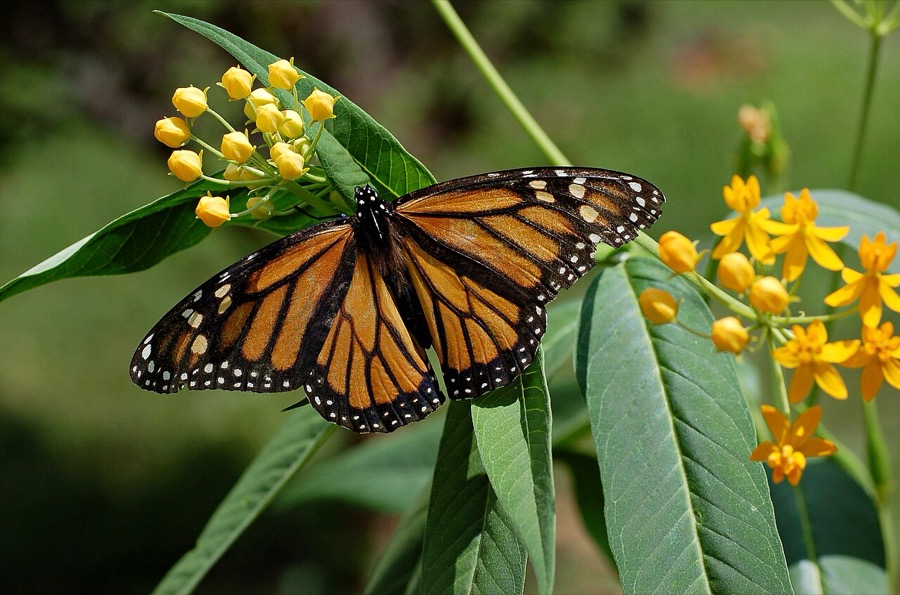
The back, sides, antennae, wings, feet and patterns are all important.
logging environment
Clues can be found in the kitchen, in flowerpots, by windows, in the garden or at the campsite.
Shooting method
Use photo identification first, do not grab or get close to take pictures.
Try to photograph the back, sides and antennae as clearly as possible to reduce reflections.
Keeping a safe reference nearby will help you judge your body shape.
If you have stings, allergies, pet ingestion, or insect infestations, seek professional help first.
What should you focus on when looking at the results?
When looking at the results, focus on major categories, wing and antennae morphology, color patterns, common habitats and contact reminders. A list of similar insects eliminates the need to look at just one name.
- possible categories
- antennae and wings
- color pattern
- Size reference
- similar insects
- Contact reminder
Things to note
Insect identification is not a substitute for medical advice, pest management, or judgment of allergy risk. If you are stung, have skin irritation, have been ingested by pets, or if pests have spread in your home, please consult your doctor or professional pest control personnel.