
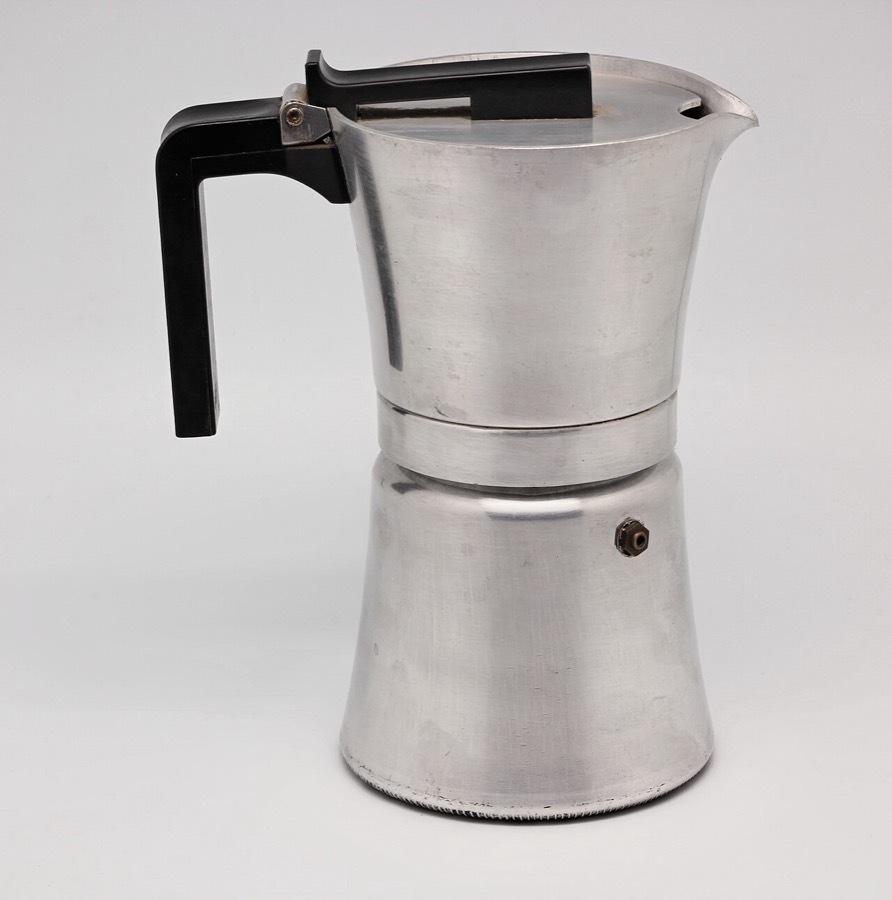
Which daily items are suitable to be photographed first?
Kitchen utensils, tools, traditional objects, parts, exhibit labels, second-hand market items and unfamiliar things seen during travel can all be given names and directions of use using photos first.
home and kitchen
If you don’t recognize any utensils, tools, food packages or small parts, first learn their names and uses.
travel and street
Landmarks, sculptures, souvenirs, transport facilities or traditional objects can be preserved as artifacts.
Study and organize
In classrooms, museums, moving houses, and at the second-hand market, photos can help organize information.
Shooting method
Let the object fully enter the frame and avoid only blurry parts.
Make, model, label, engraving and packaging can provide further clues.
The kitchen, tool box, showcase or street environment helps to understand the purpose.
Do not disassemble or energize electrical appliances, knives, chemicals or unknown equipment for identification purposes.
What should you focus on when looking at the results?
When viewing results, first identify possible names, then look for uses, similar items, backstories, and related alerts. Appropriate records can continue to generate sharing cards.
- Possible name
- Usage clues
- text mark
- Similar items
- Backstory
- share card
Things to note
Item identification is not a substitute for appliance repair, child safety, medical device judgment, legal restrictions, industrial equipment operation, or hazardous materials handling advice.