
Record the appearance first, don’t rush to judge the ingredients
Rocks and minerals need to be looked at for color, grain, texture, luster, cross-section and surroundings. Photographs can provide preliminary direction but are not a substitute for experimental testing.
color and grain
Darkness, particle size and uniformity are basic clues.
Texture and cross-section
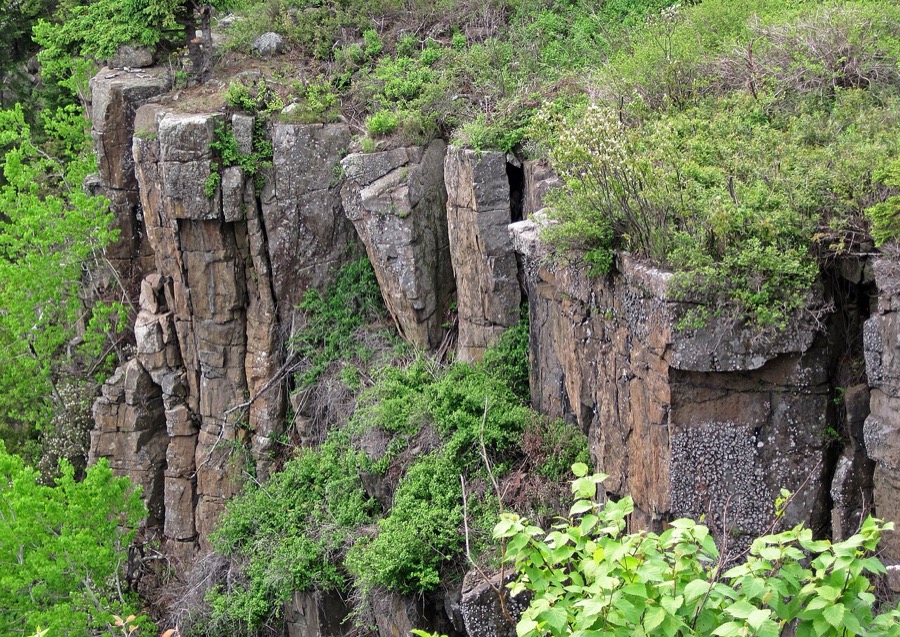
Bedding, pores, crystals, conchoidal fractures, or columnar joints are all useful.
Collection environment
The seaside, volcanic rock area, river bed or building stone scene will affect the judgment.
Shooting method
Remove the dirt mask and retain the true color and texture.
Look at the particles in close-up, and look at the structure and environment as a whole.
Filters change color, shine, and texture.
Cliffs, mines, protected areas and private areas are subject to safety and legal rules.
What should you focus on when looking at the results?
When looking at the results, pay attention to possible rock types, color and texture basis, similar rocks and professional judgment. Keeping records can help you compare rocks you see in different locations.
- Possible types
- color texture
- granular structure
- forming environment
- similar rocks
- Detect boundaries
Things to note
Photographs cannot determine mineral composition, value, radioactivity, hardness, authenticity or legality of collection. When it comes to collections, transactions, engineering or safety inspections, please use professional inspections.