Plant identification · CapKnow

AI takes photos to identify plants

Snap a photo of a flower, leaf, bark or whole plant and CapKnow will suggest possible names, key characteristics, similar plants and basic care clues.

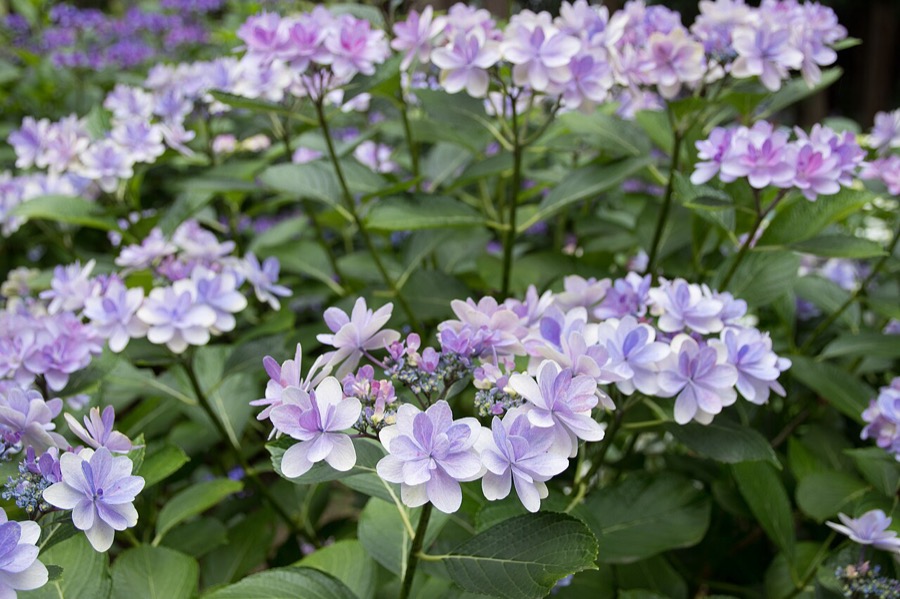
Hydrangea identification exampleRecognition results Demo

hydrangeas

Spherical inflorescence, clusters of small flowers, broad ovate leaves.

Judgment cluesSpherical inflorescence, clusters of small flowers, broad ovate leaves.
Result presentationPossible answers, rationales, and similar results.
plantobservable characteristicssimilar plants
Usage scenarios

These scenes are great for filming

I bought a new plant but don’t know the name

Take photos of the leaves, flowers and the state of the entire plant, first confirm possible names, and then record maintenance clues.

Hiking outdoors and seeing strange wildflowers

Keep the flower shape, phyllotaxy and growth environment, and then you can go back to the record of your observations and continue to compare.

Want to distinguish indoor plants with similar leaf shapes

Focus on the leaf edges, veins, split leaves and markings, and avoid judging based on color alone.

Organize your own balcony and garden plant list

Save the name, photo and notes of each plant in your own plant list.

Provide real-time explanations during parent-child nature observation

Turn "What kind of flower/leaf is this" into a readable and reviewable observation card.

result card

What's in the result

  • Possible names and common English names
  • Family, genus or category information
  • Leaf shape, leaf margin, leaf veins, split leaves or spots
  • Inflorescence, flower color, fruit and bark clues
  • Indoor potted plants, wetlands, mountains or roadside environments
  • Similar plants and misidentification reminders
  • Maintenance directions and safety tips
Identification samples

Common identification examples

Monstera deliciosa

It is often confused with other Araceae foliage plants due to its split leaves, leaf holes and large heart-shaped leaves.

Pothos Epipremnum aureum

Look for vine growth, heart-shaped leaves and variegated vines to distinguish pothos, philodendron and similar hanging pot plants.

Sansevieria Dracaena trifasciata

Look at the upright sword-shaped leaves, horizontal tiger stripes and leaf edge color, which is suitable for recording indoor maintenance.

Ficus lyrata

Look at the large fiddle-shaped leaves, leaf veins and woody branches, and avoid photographing just a single leaf.

Hydrangea Hydrangea

Look at the bulbous inflorescences, flower color changes and opposite leaves, suitable for gardens and urban greening scenes.

Lavender

Look for the purple spikes, elongated leaves, and aromatic herbaceous appearance to distinguish similar plants like sage.

Photography suggestions

How to shoot to make it easier to identify

Take a picture of the complete plant first, then take additional pictures of the front and back of the leaves, flowers and fruits.

Plant judgment often relies on multiple parts, and a single leaf often lacks key clues.

Preserve growing environment

Indoor potted plants, wetlands, roadsides, mountains or tree trunk environments can all help determine this.

Avoid backlighting, severe blur, and strong filters

The colors, leaf veins and flower patterns under natural light are closer to real observation.

If you are not sure whether it is poisonous, do not touch or try it.

The identification results are only suitable for learning and recording, and cannot determine the edibility or medicinal value.

Things to note

Things to note

Plant identification should not be used to determine edibility, medicinal value, or toxicity. Ingestion risks, child and pet safety issues should be consulted with a professional.

Related content

Related Identifiers

FAQ

FAQ

Can CapKnow identify indoor plants?

Used as a houseplant identification tool, the page shows possible names, common nicknames, appearance characteristics, and basic care directions.

Can flowers and trees be identified?

Yes. Photographing flowers, leaves, bark, fruits, or whole plant forms often provides more stable clues.

The next time you encounter the unknown, don’t miss it.

When you see something you don’t recognize, take a photo of it. CapKnow will give possible answers, basis and related knowledge, and save them to your knowledge record.

Download for iOS