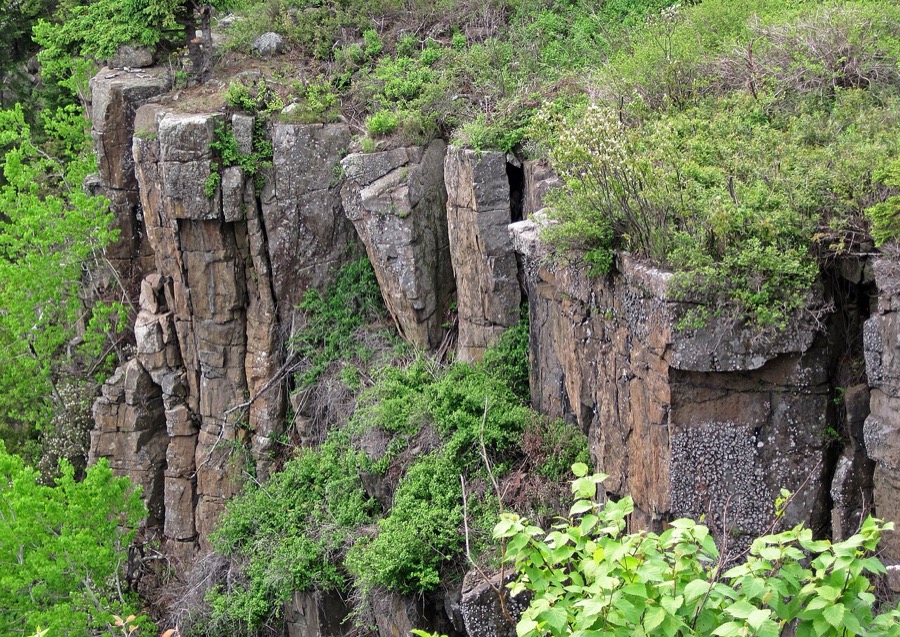
Recognition results Demobasalt
Dark appearance, fine-grained structure, and columnar joint environment.
Take photos of rocks that look special and note the color, texture, sheen and possible categories to create your own geological observation manual.
Recognition results DemoDark appearance, fine-grained structure, and columnar joint environment.
Take photos of the color, texture, section, and environment to understand the possible rock types first.
Look at crystals, luster, grains, and layering to sort out appearance clues.
Turn roadside stones, beach gravel, and mineral specimens into readable observation cards.
Save landform photos, stone appearance, and location notes together for easy review later.
Add manual notes such as hardness, weight, magnetism, etc. to each photo to form your own collection list.
Look for the dark color, fine-grained texture and pores commonly found in volcanic rock environments.
Look for the light base, black and white mineral particles and coarse-grained structure, commonly used in construction stone.
Look for glass luster, transparent to translucent appearance, and crystal morphology, and pay attention to comparisons with calcite.
Look at the rhombohedral cleavage, light-colored appearance and crystal surface reflection, and professional judgment can be combined with the hardness test.
Look for the black glassy sheen and shell-like fractures, the edges may be sharp.
Look at the sand texture, bedding and depositional environment to distinguish it from limestone and siltstone.

Filters can change color and shine, affecting the appearance of rocks.
Rock judgment often relies on grain size, bedding, pores and crystal details.
This information cannot be firmly judged based on photos alone, but it can help you double-check on your own.
Images do not confirm composition, radioactivity, value or commercial authenticity.
Image identification cannot determine gem value, mineral composition, radioactivity, or commercial authenticity. Transactions, collections and security judgments require professional testing.
No. CapKnow provides visual identification and knowledge clues only and should not be relied upon for valuation, trading, or authenticity.
Grain size, texture and luster are helpful in rock judgment, and reference objects can reduce misunderstandings.
When you see something you don’t recognize, take a photo of it. CapKnow will give possible answers, basis and related knowledge, and save them to your knowledge record.